Keeping chemistry and biology in the same loop: As potency improves, what else changes?


How Pelago Bioscience and RG Discovery used CETSA Selectivity to track off-target liabilities alongside compound optimization.
In drug discovery, improving potency is only one part of the challenge. As compounds improve at engaging their intended target, they can also start interacting with other proteins, including ones the research team never aimed to target.
The earlier those liabilities are identified, the more opportunity there is to address them while the chemistry is still being developed.
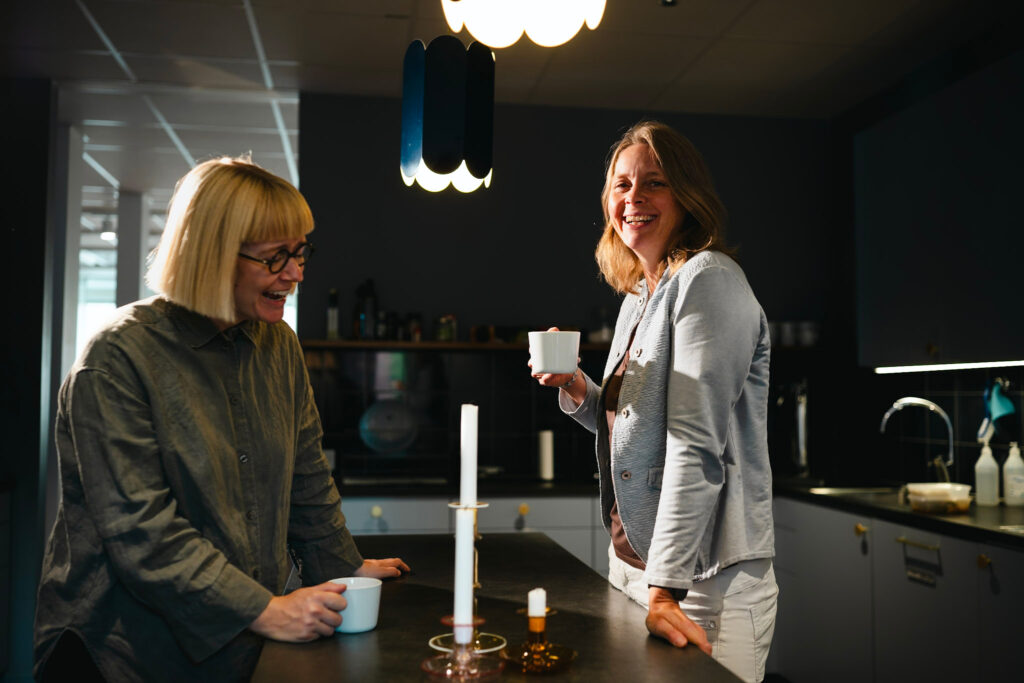
Chemists and biologists don’t always speak the same language. As Laurence Arnold puts it, the two disciplines can often work like “oil and water,” with chemists identifying what’s possible to build and biologists working out what it does once it exists.
In a recent project, Pelago Bioscience and RG Discovery (RGD) – now part of the same company – saw the opportunity to bring those two perspectives together and test what a combined offering could achieve in drug discovery. Could CETSA® Selectivity provide an unbiased view of what a compound was engaging as it was developed, and could that information arrive quickly enough to influence medicinal chemistry?
Following the molecule as it improves
The medicinal chemistry team selected a set of well-characterized, commercially available compounds to illustrate the selectivity questions that arise during CDK2 inhibitor development. CETSA Selectivity was then employed, building a comparative picture of cellular selectivity at the different stages of compound optimization. The aim was not simply to confirm engagement with the intended target, but to see what else changed as the molecules became more potent.
Each round of chemistry selection was followed by CETSA testing, with the results feeding directly into the next stage of selection – an iterative loop between the two teams rather than a single before-and-after comparison.
Early in our illustrative series, dinaciclib showed strong CDK2 engagement alongside CETSA shifts in CDK4/6 and the non-CDK kinases GSK3α/β, highlighting potential selectivity concerns. Selecting BS-194, which shares the same chemical core but different substituents, retained CDK2 engagement without the CDK4/6 or GSK shifts observed for dinaciclib. This result gave the chemistry team an opportunity to explore how differences in surrounding chemical groups translated into cellular target engagement, showing how cellular profiling can distinguish related compounds with different selectivity profiles.
Seeing liabilities beyond the usual panel
A conventional selectivity strategy might test the intended target alongside a small number of known or closely related off-targets. But as a molecule evolves, researchers cannot necessarily predict which other proteins it might begin to engage.
CETSA Selectivity provides an unbiased, proteome-wide view of target engagement across thousands of proteins rather than starting with a predetermined panel. This creates an opportunity to identify both expected and unexpected liabilities as a compound series develops.
Instead of replacing other drug discovery assays, CETSA adds another layer of biological information while there is still time to act on it, helping researchers understand what their chemistry is doing in a broader biological context.
Keeping biology in step with chemistry
For that information to influence the next chemistry decision, it must arrive in time. Medicinal chemistry operates through a continuous design–make–test–analyze (DMTA) cycle. If selectivity profiling takes weeks or months, the information risks becoming retrospective rather than actionable.
“You can’t close your eyes to what might be a problem. You have to go looking for it.”
– Laurence Arnold, Head of R&D, Pelago Bioscience
The CETSA Selectivity workflow has a 10-day* turnaround from profiling to report, putting proteome-wide selectivity information within the timeframe of a medicinal chemistry cycle.
In practice, this meant RGD considered which compounds would be most informative from a medicinal chemistry perspective, Pelago Bioscience generated the CETSA data, and the teams came back together to interpret the results and determine what to look at next. The biological data became part of an ongoing chemistry–biology conversation.
Turning data into decisions
For RGD, that interpretation is critical. CETSA can show which proteins a compound is engaging, but a drug discovery team needs to understand what those interactions mean for the program and what to do next.
“Our role goes beyond delivering data. We work with our partners to interpret the findings, guide decisions, and turn those insights into progress.”
– Nima Rajabi, Team Manager – Early DDx, RG Discovery
RGD brings the medicinal chemistry and client perspective needed to translate those findings into decisions: whether to test another compound, change the chemistry, or reconsider the direction of the series.
This means the value of CETSA data goes beyond receiving a data sheet. By combining biological expertise from Pelago Bioscience with RGD’s understanding of medicinal chemistry and drug discovery, the teams can put the results into context and use them to guide the next stage of the DMTA cycle.
A model for integrated discovery
The project showed what can happen when chemistry and biology stay connected throughout discovery: RGD brings its understanding of molecular design and drug discovery, while Pelago provides rapid, proteome-wide biological insight. Each round of information can feed into the next decision without waiting for one discipline to finish before the other begins.
RGD brings decades of medicinal chemistry expertise across a range of specialties, with a track record of advancing compounds to the clinic. Pelago Bioscience brings CETSA, a patented technology that underpins every service the company offers, giving insight into compound behavior that few other methods can match.
Together, this provides a blueprint for a more integrated approach to drug discovery, where chemistry and biology work on the same problem, in the same loop, using complementary expertise to identify potential liabilities earlier and make more informed decisions about what to design, test, and progress next. This gives an early glimpse of what a more connected Pelago Bioscience and RGD offering could look like going forward.
Asked what he’d want a biotech to take from this project, Laurence points to the targets you don’t see coming – the ones you only catch if you go looking for them. As he puts it: “You can’t win a race from the start, but you can lose one.”
*10 working days from compound delivery. Custom may take longer.
Explore how CETSA Selectivity can advance your discovery projects